How Many Countries Are There in the World?
There are 195 countries in the world today: 193 UN member states and 2 observer states. See the complete list with population, capital, and continent.
There are currently 195 countries in the world.
193 are member states of the United Nations. 2 are observer states (Vatican City and Palestine).
Explore World Statistics
Dive deeper into country and city data with our specialized rankings and comparison tools.
🌍
Largest Countries by Area
Top 50 countries ranked by total land area, from Russia to the smallest nations.
👥
Most Populous Countries
Top 50 countries by population. India, China, and the most populated nations worldwide.
🏙️
Largest Cities in the World
Top 100 cities ranked by population. Tokyo, Delhi, Shanghai and more megacities.
📊
Country Rankings
Compare countries by GDP, life expectancy, literacy rate, and 15+ other indicators.
🔄
Compare Countries
Side-by-side comparison of any two countries across dozens of indicators.
What Counts as a "Country"?
The most widely accepted count of countries in the world is 195. This number includes 193 member states of the United Nations and 2 observer states: the Holy See (Vatican City) and the State of Palestine. However, this number can vary depending on the source, as some organizations count differently based on criteria like sovereignty, recognition, and self-governance.
UN Member States (193)
The United Nations has 193 member states. The most recent country to join was South Sudan in 2011. To become a UN member state, a country must be accepted by a two-thirds vote of the General Assembly upon recommendation of the Security Council.
Observer States (2)
The Holy See and the State of Palestine are permanent observer states at the United Nations. They can participate in General Assembly sessions and maintain permanent missions at UN headquarters, but they cannot vote on resolutions.
Territories and Dependencies
In addition to the 195 countries, there are approximately 4 territories and dependencies around the world. These are regions that are governed by or politically associated with another country. Examples include Puerto Rico (United States), French Polynesia (France), and the British Virgin Islands (United Kingdom).
Disputed and Unrecognized Territories
Several territories claim independence but are not universally recognized. These include Taiwan (recognized by about 13 UN members), Kosovo (recognized by over 100 countries), Western Sahara, Abkhazia, South Ossetia, and Northern Cyprus, among others. The total count of countries can vary based on which of these entities are included.
Complete List of Countries
250 countries
| 101 |  | Hungary | 9,855,745 |
| 102 |  | Iceland | 364,036 |
| 103 |  | India | 1,419,316,933 |
| 104 |  | Indonesia | 283,587,097 |
| 105 | 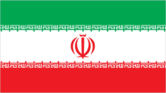 | Iran | 89,177,357 |
| 106 | 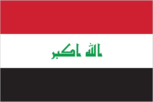 | Iraq | 42,917,742 |
| 107 | 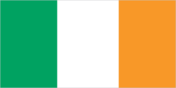 | Ireland | 5,233,461 |
| 108 | 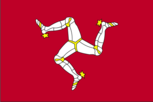 | Isle of Man | 92,666 |
| 109 | 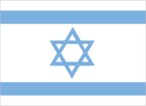 | Israel | 9,402,617 |
| 110 | 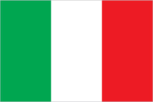 | Italy | 60,924,851 |
| 111 | 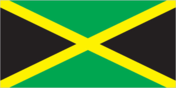 | Jamaica | 2,938,503 |
| 112 | 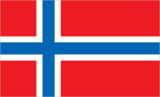 | Jan Mayen | — |
| 113 |  | Japan | 123,201,945 |
| 114 |  | Jersey | 103,944 |
| 115 |  | Jordan | 11,312,507 |
| 116 |  | Kazakhstan | 20,432,662 |
| 117 | 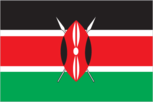 | Kenya | 55,751,717 |
| 118 | 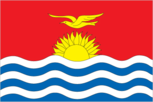 | Kiribati | 116,545 |
| 119 | 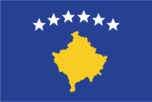 | Kosovo | 1,977,093 |
| 120 | 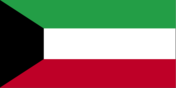 | Kuwait | 3,172,511 |
| 121 | 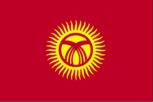 | Kyrgyzstan | 6,219,751 |
| 122 | 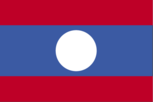 | Laos | 7,953,556 |
| 123 | 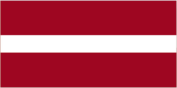 | Latvia | 1,888,439 |
| 124 | 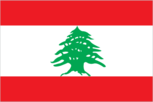 | Lebanon | 5,364,482 |
| 125 |  | Lesotho | 2,222,962 |
| 126 |  | Liberia | 5,563,541 |
| 127 |  | Libya | 7,361,263 |
| 128 |  | Liechtenstein | 40,547 |
| 129 |  | Lithuania | 2,815,687 |
| 130 |  | Luxembourg | 671,254 |
| 131 |  | Macau | 644,426 |
| 132 |  | Madagascar | 31,345,040 |
| 133 | 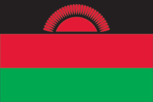 | Malawi | 21,763,309 |
| 134 | 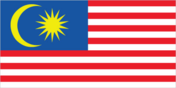 | Malaysia | 34,905,275 |
| 135 | 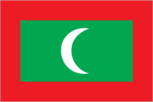 | Maldives | 388,858 |
| 136 | 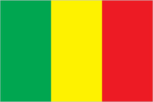 | Mali | 22,634,423 |
| 137 | 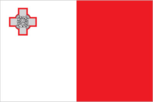 | Malta | 521,828 |
| 138 | 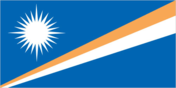 | Marshall Islands | 82,011 |
| 139 | 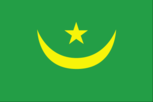 | Mauritania | 5,202,109 |
| 140 | 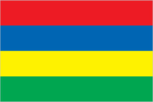 | Mauritius | 1,311,375 |
| 141 |  | Mexico | 130,739,927 |
| 142 |  | Moldova | 3,578,930 |
| 143 |  | Monaco | 32,047 |
| 144 |  | Mongolia | 3,281,676 |
| 145 |  | Montenegro | 599,849 |
| 146 |  | Montserrat | 5,468 |
| 147 |  | Morocco | 37,387,585 |
| 148 |  | Mozambique | 34,206,144 |
| 149 |  | Namibia | 2,852,777 |
| 150 |  | Nauru | 9,930 |
| 151 |  | Navassa Island | — |
| 152 |  | Nepal | 31,334,402 |
| 153 |  | Netherlands | 17,833,885 |
| 154 |  | New Caledonia | 307,612 |
| 155 |  | New Zealand | 5,161,211 |
| 156 |  | Nicaragua | 6,739,380 |
| 157 | 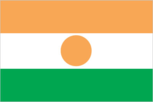 | Niger | 27,322,555 |
| 158 | 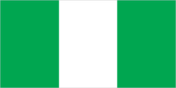 | Nigeria | 244,344,065 |
| 159 | 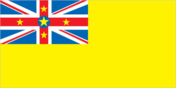 | Niue | 1,815 |
| 160 | 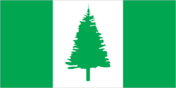 | Norfolk Island | 1,739 |
| 161 |  | Northern Mariana Islands | 51,118 |
| 162 |  | North Korea | 26,402,841 |
| 163 |  | North Macedonia | 2,137,556 |
| 164 |  | Norway | 5,509,733 |
| 165 | 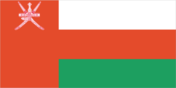 | Oman | 3,969,824 |
| 166 | 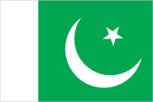 | Pakistan | 257,047,044 |
| 167 | 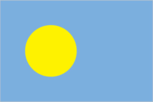 | Palau | 21,947 |
| 168 | 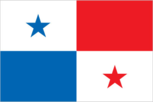 | Panama | 4,536,008 |
| 169 | 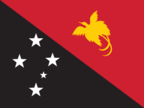 | Papua New Guinea | 10,273,996 |
| 170 |  | Paracel Islands | 2,230 |
| 171 | 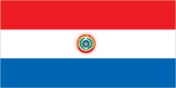 | Paraguay | 7,604,044 |
| 172 | 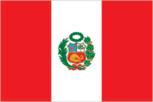 | Peru | 32,768,614 |
| 173 | 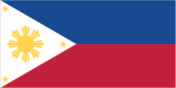 | Philippines | 118,277,063 |
| 174 |  | Pitcairn Islands | 50 |
| 175 |  | Poland | 38,746,310 |
| 176 |  | Portugal | 10,194,277 |
| 177 |  | Puerto Rico | 2,984,841 |
| 178 | 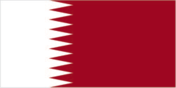 | Qatar | 2,568,426 |
| 179 | 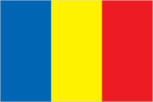 | Romania | 18,148,155 |
| 180 | 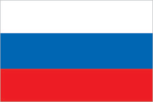 | Russia | 140,134,279 |
| 181 | 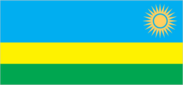 | Rwanda | 13,623,302 |
| 182 |  | Saint Barthelemy | 7,079 |
| 183 |  | Saint Helena, Ascension, and Tristan da Cunha | 7,943 |
| 184 |  | Saint Kitts and Nevis | 55,434 |
| 185 |  | Saint Lucia | 168,462 |
| 186 |  | Saint Martin | 33,093 |
| 187 |  | Saint Pierre and Miquelon | 5,070 |
| 188 |  | Saint Vincent and the Grenadines | 100,647 |
| 189 |  | Samoa | 210,223 |
| 190 | 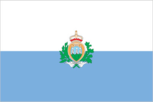 | San Marino | 35,291 |
| 191 | 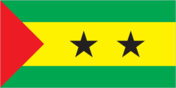 | Sao Tome and Principe | 223,561 |
| 192 | 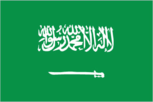 | Saudi Arabia | 36,544,431 |
| 193 | 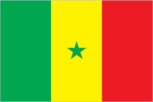 | Senegal | 18,847,519 |
| 194 |  | Serbia | 6,652,212 |
| 195 |  | Seychelles | 98,187 |
| 196 |  | Sierra Leone | 9,331,203 |
| 197 |  | Singapore | 6,080,545 |
| 198 |  | Sint Maarten | 46,738 |
| 199 |  | Slovakia | 5,563,649 |
| 200 |  | Slovenia | 2,097,893 |
| 201 |  | Solomon Islands | 738,774 |
| 202 | 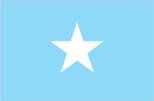 | Somalia | 20,324,160 |
| 203 | 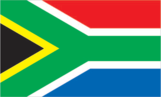 | South Africa | 61,089,926 |
| 204 | 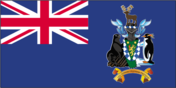 | South Georgia and South Sandwich Islands | — |
| 205 | 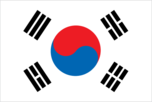 | South Korea | 51,486,343 |
| 206 | 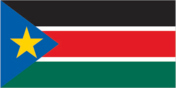 | South Sudan | 12,703,714 |
| 207 | 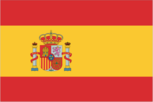 | Spain | 47,280,433 |
| 208 |  | Spratly Islands | — |
| 209 | 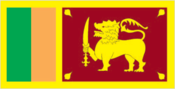 | Sri Lanka | 22,050,561 |
| 210 | 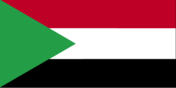 | Sudan | 50,467,278 |
| 211 |  | Suriname | 653,605 |
| 212 |  | Svalbard (sometimes referred to as Spitsbergen, the largest island in the archipelago) | 2,556 |
| 213 |  | Sweden | 10,643,745 |
| 214 |  | Switzerland | 8,925,741 |
| 215 |  | Syria | 24,261,882 |
| 216 | 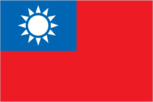 | Taiwan | 23,600,776 |
| 217 | 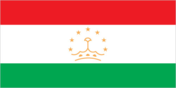 | Tajikistan | 10,593,876 |
| 218 | 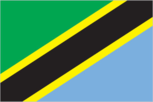 | Tanzania | 69,145,464 |
| 219 | 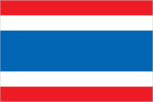 | Thailand | 70,025,248 |
| 220 | 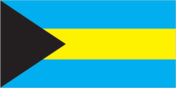 | The Bahamas | 415,306 |
| 221 | 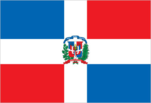 | The Dominican | 10,899,292 |
| 222 | 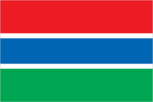 | The Gambia | 2,523,327 |
| 223 | 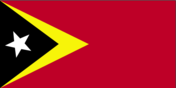 | Timor-Leste | 1,404,785 |
| 224 |  | Togo | 9,143,439 |
| 225 |  | Tokelau | 2,453 |
| 226 |  | Tonga | 104,519 |
| 227 |  | Trinidad and Tobago | 1,410,170 |
| 228 | 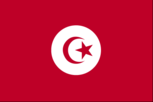 | Tunisia | 11,962,995 |
| 229 | 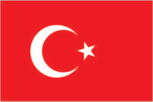 | Turkey | 84,625,585 |
| 230 | 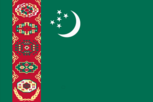 | Turkmenistan | 5,744,151 |
| 231 | 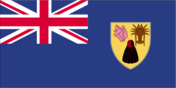 | Turks and Caicos Islands | 60,439 |
| 232 |  | Tuvalu | 11,824 |
| 233 |  | Uganda | 50,863,850 |
| 234 |  | Ukraine | 35,661,826 |
| 235 |  | United Arab Emirates | 10,093,593 |
| 236 |  | United Kingdom | 68,751,311 |
| 237 |  | United States | 338,016,259 |
| 238 |  | Uruguay | 3,449,444 |
| 239 |  | Uzbekistan | 37,015,151 |
| 240 |  | Vanuatu | 318,007 |
| 241 |  | Venezuela | 31,755,435 |
| 242 |  | Vietnam | 106,688,169 |
| 243 |  | Virgin Islands | 103,792 |
| 244 |  | Wake Island | — |
| 245 |  | Wallis and Futuna | 15,998 |
| 246 |  | West Bank | 3,310,554 |
| 247 |  | Western Sahara | 652,271 |
| 248 | 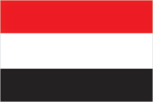 | Yemen | 34,505,496 |
| 249 | 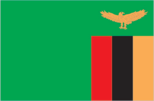 | Zambia | 22,021,971 |
| 250 | 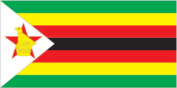 | Zimbabwe | 17,472,752 |
Countries by Continent
Frequently Asked Questions
How many countries are there in the world in 2026?
As of 2026, there are 195 countries in the world. This includes 193 member states of the United Nations and 2 observer states: the Holy See (Vatican City) and the State of Palestine.
Why do some say 193 and others 195?
The number 193 refers only to UN member states. The number 195 also includes the 2 non-member observer states: the Holy See and Palestine. Some counts go even higher when including self-governing territories, disputed regions, or partially recognized states like Taiwan and Kosovo.
What is the difference between a country and a territory?
A country (or sovereign state) has full political independence and self-governance, recognized by other nations. A territory is a region that belongs to or is administered by another country. Territories may have some degree of self-governance but ultimately fall under the sovereignty of another nation.
What is the newest country in the world?
The newest country in the world is South Sudan, which declared independence from Sudan on July 9, 2011. It became the 193rd member of the United Nations on July 14, 2011, making it both the newest country and the newest UN member state.
Are there any countries not recognized by the UN?
Yes, several entities function as independent states but are not UN members. Taiwan (Republic of China) is the most notable example, functioning as a fully independent state with its own government, military, and economy, but recognized by only about 13 UN member states. Kosovo, Western Sahara, Abkhazia, South Ossetia, Transnistria, and Northern Cyprus are other examples of partially recognized or unrecognized states.