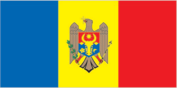
Introduction
Moldova
Background
A significant part of modern-day Moldova was annexed by the Russian Empire in 1812 and later became unified with Romania in 1918 following World War I. Subsequently, this area was absorbed into the Soviet Union after World War II. Although Moldova has been sovereign from the Soviet Union since 1991, Russian military forces have continued to occupy Moldovan land east of the Nistru River in the separatist region known as Transnistria.
The era of Communist Party governance in Moldova spanned from 2001 to 2009, culminating in violent protests related to elections and a repeat of parliamentary elections in 2009. From 2010 to 2019, a succession of pro-European coalitions managed the government. However, in 2016, pro-Russian candidate Igor DODON secured the presidency, and his Socialist Party of the Republic of Moldova achieved a plurality in the 2019 legislative elections. In 2020, pro-EU reformist candidate Maia SANDU defeated DODON in the presidential election, and SANDU's Party of Action and Solidarity gained a parliamentary majority in an early legislative election in 2021. The cabinet led by Prime Minister Natalia GAVRILITA was established in 2021. In early 2023, the parliament of Moldova approved a new cabinet under the leadership of Prime Minister Dorin RECEAN, which maintained most of the previous ministers.