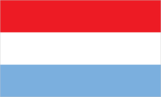
Luxembourg Introduction
Luxembourg, a nation with a fascinating history, was first established in 963. It gained recognition as a grand duchy in 1815 and became part of the Kingdom of the Netherlands. In 1839, following Belgium's independence, Luxembourg ceded over half of its territory but secured greater autonomy. Achieving full sovereignty in 1867, Luxembourg adopted a policy of permanent neutrality. However, its neutrality was challenged during the German occupations in both World Wars. In 1948, Luxembourg shifted its stance by joining the Benelux Customs Union and subsequently NATO in 1949. A founding member of the European Economic Community in 1957, Luxembourg has played a significant role in shaping what is now the European Union. Today, Luxembourg is part of the euro currency area, highlighting its integration into the European economic framework. Explore the Luxembourg map to understand its geographical context and delve into the demographics to learn about the Luxembourg population.
Background
Established in 963, Luxembourg was elevated to the status of a grand duchy in 1815 and became a part of the Kingdom of the Netherlands following the Congress of Vienna. In 1839, when Belgium asserted its independence from the Netherlands, Luxembourg ceded over half of its land to Belgium but achieved greater autonomy within the Kingdom of the Netherlands. Luxembourg attained full sovereignty in 1867, committing to a stance of permanent neutrality. Occupied by Germany during both World Wars, its neutrality was relinquished in 1948 when it became a member of the Benelux Customs Union, subsequently joining NATO the next year. In 1957, Luxembourg emerged as one of the original six nations of the EEC (which evolved into the EU), and in 1999, it became part of the euro currency area.