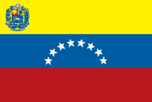
Venezuela Geography Overview
Venezuela, located in the northern part of South America, is a nation rich in diverse geographical features. Covering a land area of approximately 882,050 square kilometers, it is bordered by Colombia, Guyana, and Brazil, and boasts a significant coastline of 2,800 kilometers along the Caribbean Sea and the North Atlantic Ocean. The country's climate is predominantly tropical, characterized by hot and humid conditions, though it becomes more temperate in elevated regions. Venezuela's terrain is varied, featuring the majestic Andes Mountains and Maracaibo Lowlands in the northwest, the expansive llanos or plains in the center, and the unique Guiana Highlands in the southeast. The nation's elevation ranges from sea level at the Caribbean Sea to its highest point at Pico Bolivar, standing at 4,978 meters. With its vast natural resources like petroleum, natural gas, and gold, alongside its breathtaking natural landmarks such as Angel Falls, Venezuela presents a remarkable blend of geographical diversity and economic potential.
Area
land
882,050 sq km
water
30,000 sq km
total
912,050 sq km
Climate
tropical; characterized by hot and humid conditions; more temperate in elevated regions
Terrain
Andes Mountains and Maracaibo Lowlands located in the northwest; central plains known as llanos; Guiana Highlands situated in the southeast
Land use
other
22.1% (2023 est.)
forest
53.5% (2023 est.)
agricultural land
24.4% (2023 est.)
agricultural land: arable land
arable land: 2.9% (2023 est.)
agricultural land: permanent crops
permanent crops: 0.8% (2023 est.)
agricultural land: permanent pasture
permanent pasture: 20.6% (2023 est.)
Location
Located in the northern part of South America, adjacent to the Caribbean Sea and the North Atlantic Ocean, positioned between Colombia and Guyana
Coastline
2,800 km
Elevation
lowest point
Caribbean Sea 0 m
highest point
Pico Bolivar 4,978 m
mean elevation
450 m
Irrigated land
10,550 sq km (2012)
Map references
South America
Land boundaries
total
5,267 km
border countries
Brazil 2,137 km; Colombia 2,341 km; Guyana 789 km
Maritime claims
contiguous zone
15 nm
territorial sea
12 nm
continental shelf
200-m depth or to the depth of exploitation
exclusive economic zone
200 nm
Natural hazards
prone to flooding, rockfalls, and landslides; experiences occasional droughts
Geography - note
note 1: the nation is positioned along significant maritime and aerial routes that connect North and South America
note 2: Venezuela features some of the most distinctive geological formations globally; tepuis are the grand table-top mountains found in the western Guiana Highlands, often isolated and consequently hosting unique endemic flora and fauna; their vertical cliffs contribute to the formation of some of the world's most breathtaking waterfalls, including Angel Falls, which is the tallest waterfall in the world at 979 m (3,212 ft), cascading from Auyan Tepui
Natural resources
petroleum, natural gas, iron ore, gold, bauxite, various minerals, hydropower, diamonds
Area - comparative
nearly six times larger than Georgia; slightly more than double the size of California
Geographic coordinates
8 00 N, 66 00 W
Population distribution
the majority of the population is concentrated in the northern and western highlands along an eastern extension at the northern tip of the Andes, which includes the capital city, Caracas
Major lakes (area sq km)
salt water lake(s)
Lago de Maracaibo - 13,010 sq km
Major watersheds (area sq km)
Atlantic Ocean drainage
Amazon (6,145,186 sq km), Orinoco (953,675 sq km)
Major rivers (by length in km)
Rio Negro (shared with Colombia [s] and Brazil [m]) - 2,250 km; Orinoco river source and mouth (shared with Colombia) - 2,101 km
note: [s] following the country name denotes river source; [m] following the country name denotes river mouth