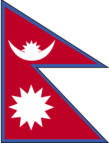
Nepal Geography
Area
land
143,351 sq km
water
3,830 sq km
total
147,181 sq km
Climate
experiences cool summers and harsh winters in the northern region, transitioning to subtropical summers and mild winters in the southern area
Terrain
Tarai, or the flat river plain of the Ganges, located in the south; the central hilly region characterized by the rugged Himalayas in the north
Land use
other
27.7% (2023 est.)
forest
43.5% (2023 est.)
agricultural land
26.1% (2023 est.)
agricultural land: arable land
arable land: 12.6% (2023 est.)
agricultural land: permanent crops
permanent crops: 1% (2023 est.)
agricultural land: permanent pasture
permanent pasture: 12.5% (2023 est.)
Location
Southern Asia, situated between China and India
Coastline
0 km (landlocked)
Elevation
lowest point
Kanchan Kalan 70 m
highest point
Mount Everest, the highest peak in Asia and the tallest point on Earth above sea level, at 8,849 meters
mean elevation
2,565 m
Irrigated land
12,090 sq km (2022)
Major aquifers
Indus-Ganges-Brahmaputra Basin
Map references
Asia
Land boundaries
total
3,159 km
border countries
China 1,389 km; India 1,770 km
Maritime claims
none (landlocked)
Natural hazards
intense thunderstorms; flooding; landslides; droughts and famines may occur depending on the timing, intensity, and duration of the summer monsoons
Geography - note
landlocked; strategically positioned between China and India; home to eight of the world's ten highest peaks, including Mount Everest and Kanchenjunga—the tallest and third-tallest mountains in the world—located on the borders with China and India, respectively
Natural resources
quartz, water, timber, hydropower, natural beauty, small quantities of lignite, copper, cobalt, and iron ore
Area - comparative
slightly larger in area than New York State
Geographic coordinates
28 00 N, 84 00 E
Population distribution
the majority of the population is almost evenly split between a concentration in the southern Tarai plains and the central hilly area; the overall population density is low
Major watersheds (area sq km)
Indian Ocean drainage
Brahmaputra (651,335 sq km), Ganges (1,016,124 sq km), Indus (1,081,718 sq km)