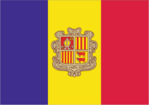
Andorra: Geography Overview
Area
land
468 sq km
water
0 sq km
total
468 sq km
Climate
temperate; characterized by cold, snowy winters and warm, arid summers
Terrain
rugged mountain ranges interspersed with narrow valleys
Land use
other
21.4% (2023 est.)
forest
38.7% (2023 est.)
agricultural land
39.9% (2023 est.)
agricultural land: arable land
arable land: 1.6% (2023 est.)
agricultural land: permanent crops
permanent crops: 0% (2023 est.)
agricultural land: permanent pasture
permanent pasture: 38.3% (2023 est.)
Location
Southwestern Europe, Pyrenees mountains, situated on the boundary between France and Spain
Coastline
0 km (landlocked)
Elevation
lowest point
Riu Runer 840 m
highest point
Pic de Coma Pedrosa 2,946 m
mean elevation
1,996 m
Irrigated land
0 sq km (2022)
Map references
Europe
Land boundaries
total
118 km
border countries
France 55 km; Spain 63 km
Maritime claims
none (landlocked)
Natural hazards
avalanches
Geography - note
landlocked; occupies several key crossroads in the Pyrenees
Natural resources
hydropower, mineral springs, timber, iron ore, lead
Area - comparative
2.5 times larger than Washington, D.C.
Geographic coordinates
42 30 N, 1 30 E
Population distribution
population distribution is uneven, primarily concentrated in the seven urbanized valleys that constitute the country's parishes (political administrative divisions)