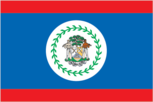
Geography
Belize
Area
land
22,806 sq km
water
160 sq km
total
22,966 sq km
Climate
tropical climate; characterized by high temperatures and humidity; wet season (May through November); dry season (February to May)
Terrain
a low-lying, marshy coastal plain; southern regions feature low mountain ranges
Land use
other
33.7% (2023 est.)
forest
58.3% (2023 est.)
agricultural land
8% (2023 est.)
agricultural land: arable land
arable land: 4.4% (2023 est.)
agricultural land: permanent crops
permanent crops: 1.4% (2023 est.)
agricultural land: permanent pasture
permanent pasture: 2.2% (2023 est.)
Location
Located in Central America, it shares its borders with the Caribbean Sea, positioned between Guatemala and Mexico
Coastline
386 km
Elevation
lowest point
Caribbean Sea 0 m
highest point
Doyle's Delight 1,124 m
mean elevation
173 m
Irrigated land
35 sq km (2012)
Map references
Central America and the Caribbean
Land boundaries
total
542 km
border countries
Guatemala 266 km; Mexico 276 km
Maritime claims
territorial sea
12 nm in the north, 3 nm in the south
exclusive economic zone
200 nm
Natural hazards
experiences frequent and severe hurricanes from June to November, along with significant coastal flooding, particularly in the southern areas
Geography - note
the sole nation in Central America lacking a coastline along the North Pacific Ocean
Natural resources
possesses potential for arable land, timber resources, fisheries, and hydropower generation
Area - comparative
slightly smaller in area than the state of Massachusetts
Geographic coordinates
17 15 N, 88 45 W
Population distribution
around 25% to 30% of its inhabitants reside in the former capital, Belize City; more than half of the total population lives in rural areas, with population density being marginally greater in the northern and eastern regions